
Shop window tint, Wasatch Front
Storefront Window Film in Salt Lake City
A storefront has to be seen through. It also has to survive Utah sun that fades merchandise in weeks, heats the display window by afternoon and glares off the point-of-sale screen. Storefront film handles all three without hiding the store.
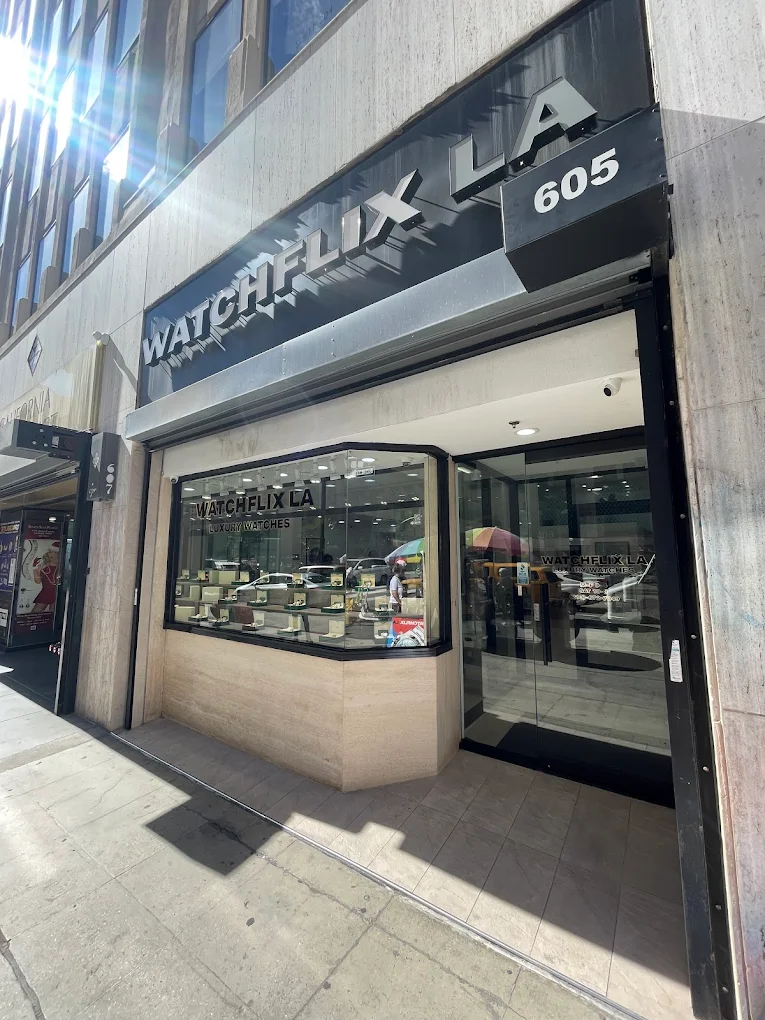 Salt Lake City
Retail Corridors in the Salt Lake Valley That Need Storefront Film
Sugar House is one of the busiest retail districts in the city, with shops and restaurants along Highland Drive and 2100 South and newer mixed-use buildings around the S-Line streetcar. Downtown, storefronts line Main Street and the blocks around City Creek Center, and the restored car barns at Trolley Square hold shops and restaurants behind large windows. Smaller districts, like 9th and 9th and the shops along 900 South, add independent boutiques and cafes.
Out in the suburbs, retail clusters around regional centers: Fashion Place in Murray, South Towne in Sandy, Jordan Landing in West Jordan and the District in South Jordan. Park City's Main Street is a separate world, with historic storefronts selling outdoor gear and art at high altitude. Each corridor has different sun angles and building rules, so we look at each storefront individually.
Storefront Film Against Merchandise Fading in Utah Sun
Fading is the complaint retailers bring us most. UV light breaks down dyes in fabric, packaging and printed materials, and at Salt Lake's altitude there is plenty of it. A display that sits in a south or west window for a few weeks can lose color along its sunny side, which means discounting or pulling the stock.
A clear UV film stops almost all of that ultraviolet at the pane, and the fade clock runs much slower. It does not stop fading entirely, since visible light and heat also play a role, so lighter solar films are often added on the sunniest windows. Rotating displays still helps, but film buys a lot more time. Outdoor retailers selling bright jackets and packs in ski season, and furniture showrooms with fabric samples near the window, tend to see the payoff first.
- Clothing, shoes and outdoor gear
- Books, cards and printed packaging
- Furniture and rugs in showrooms
- Art, frames and photographs
- Restaurant and cafe interiors
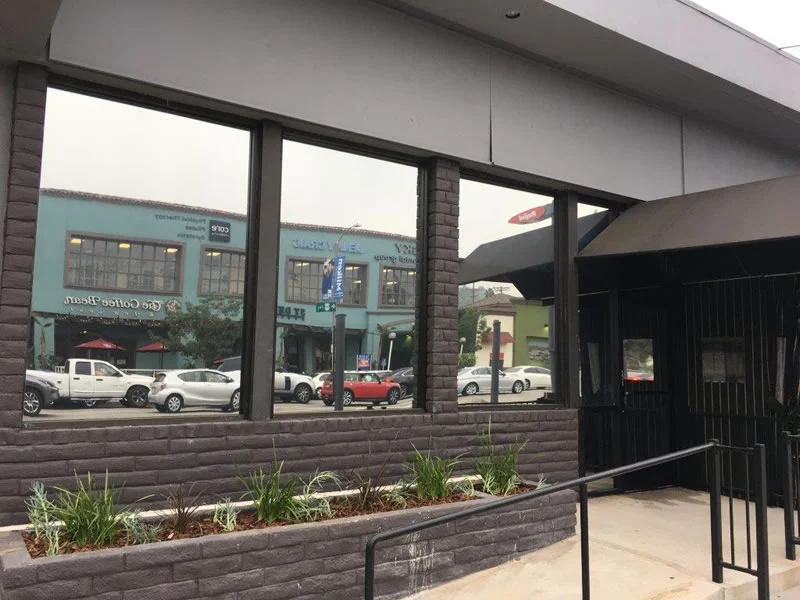
Heat and Glare Inside Salt Lake Shops and Restaurants
West-facing storefronts get the full afternoon sun, and in a small shop with one big display window, that heat spreads quickly. Cashiers squint at screens, customers avoid the window seats in a cafe, and the AC runs hard while the door keeps opening. Light solar films that stay close to clear reduce that heat and glare without making the store look closed.
The look from the street matters. Darker or mirrored film can make a storefront look empty, which is the last thing a retailer wants. We usually recommend low-reflectance films that keep products visible from the sidewalk and passing cars, and we put a sample panel on the glass so you can see it from outside before committing.
Storefront Film Installs Around Store Hours and Lease Rules
Retail installs happen before opening, after closing or on slower days. Mannequins and display tables come back a few feet from the glass, fixtures get covered, and the floor is protected while crews work. Most single storefronts are done in one session.
Shopping center leases and landlords often regulate what tenants can put on their windows. Some centers require uniform storefront film across tenants, and Park City's historic Main Street has its own design guidelines for storefronts. We provide product data and samples for landlord or city review, and decorative or branded film can be removed cleanly when a lease ends.
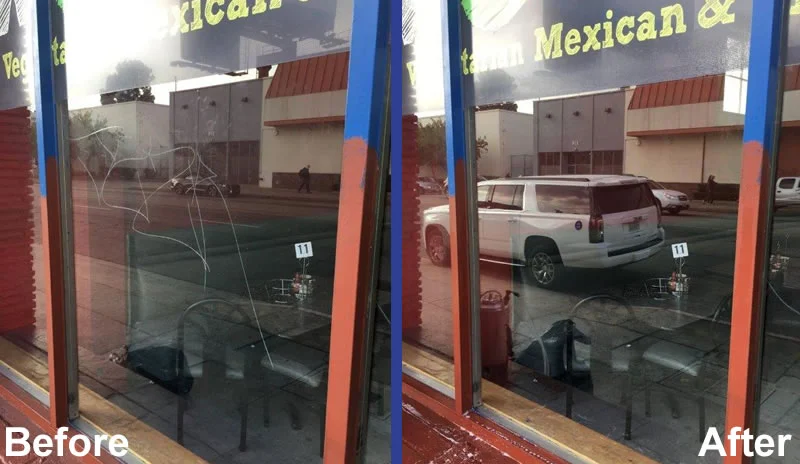
Storefront Window Film Benefits for Salt Lake Retailers
Storefront Film Keeps Stock Sellable
With ultraviolet filtered out, jackets, packaging and window props hold their color for far longer. Products stay sellable longer, and you spend less time and money replacing faded stock in sunny windows.
Cooler Display Windows With Storefront Film
Solar film reduces heat in the display area and nearby seating, so customers and staff are more comfortable and the AC does not have to fight an open door and a hot window at the same time.
Storefront Film Cuts Point-of-Sale Glare
Lower glare means cashiers can read screens and customers can see products inside without squinting. Window seats in cafes become usable again on bright afternoons.
Storefront Window Film That Keeps the Store Visible
Low-reflectance films keep merchandise visible from the sidewalk and parking lot. The store still looks open and inviting rather than mirrored or dark.
Salt Lake City Shop Owners Ask About Storefront Window Film
From the sidewalk, will tinted glass make us look closed?
Mirrored or dark film can. Light, low-reflectance products leave the displays easy to see. We show samples on your glass so you can see it from the street before deciding.
Does my landlord have to approve storefront film?
Often, yes. Shopping centers and landlords frequently control window appearance. We provide specs and samples for approval.
Can storefront film go on before we open?
Yes. We often install early in the morning or after closing so the store can open on time.
Does UV film stop all merchandise fading?
It blocks nearly all UV, which is the biggest cause. Visible light and heat still contribute, so rotating displays is still a good practice.
Can film be used on Park City Main Street shops?
Usually, as long as it does not change the historic look of the storefront. Clear and low-reflectance films are the safest options. Check with the city if you are unsure.
Storefront Window Film Service Areas in Salt Lake City
Window film quote
Price Storefront Window Film for Your Salt Lake City Shop
Give rough window sizes, your address and which way the front faces on the quote form. Include store hours, and the install will be booked outside them.