
Window tinting, Salt Lake City UT
Window Film in Salt Lake City for Offices, Retail and Homes
Salt Lake City Window Film Pros puts film on commercial and residential glass along the Wasatch Front, from Main Street towers and Lehi tech campuses to Avenues Victorians and Daybreak two-stories. The valley floor sits above 4,000 feet, and the sun here hits glass hard in every season.
Residential and commercial film · 20 neighborhoods and Wasatch Front cities served · Quotes by online request
Window film in Salt Lake City
Why Salt Lake Valley Sun Is Hard on Glass
Salt Lake City sits around 4,200 feet above sea level in a dry basin between the Wasatch Range and the Oquirrh Mountains. Thin, low-humidity air lets more ultraviolet and direct solar energy reach the ground than in a humid city at sea level, so carpets, wood floors, retail displays and office furniture fade faster than owners expect. Summer afternoons regularly climb into the upper 90s, and the long stretch of clear days from June into September keeps that load on west and south windows week after week.
Winter changes the problem rather than ending it. After a storm, a sunny morning on fresh snow throws reflected light straight up into first-floor rooms, lobbies and ground-floor offices. The sun sits low over the southern sky and reaches deep into buildings, which makes screens hard to read and turns south-facing desks bright and warm even when it is cold outside.
Then there is the inversion. When cold air settles into the valley under a lid of warmer air, Salt Lake can sit gray and chilly for days at a time. Single-pane and older dual-pane glass loses heat steadily through those stretches. Low-emissivity window film helps keep more of that warmth indoors, while solar film handles the summer side of the year.
Typical upper ranges across residential and commercial film lines. Your numbers depend on the film and the glass, and we spec them before install.
Ask Which Film Fits →Four Steps to Window Tinting a Salt Lake City Building
Every quote starts with your windows, not a catalog. Here is how a Salt Lake City install runs from quote request to finished glass.
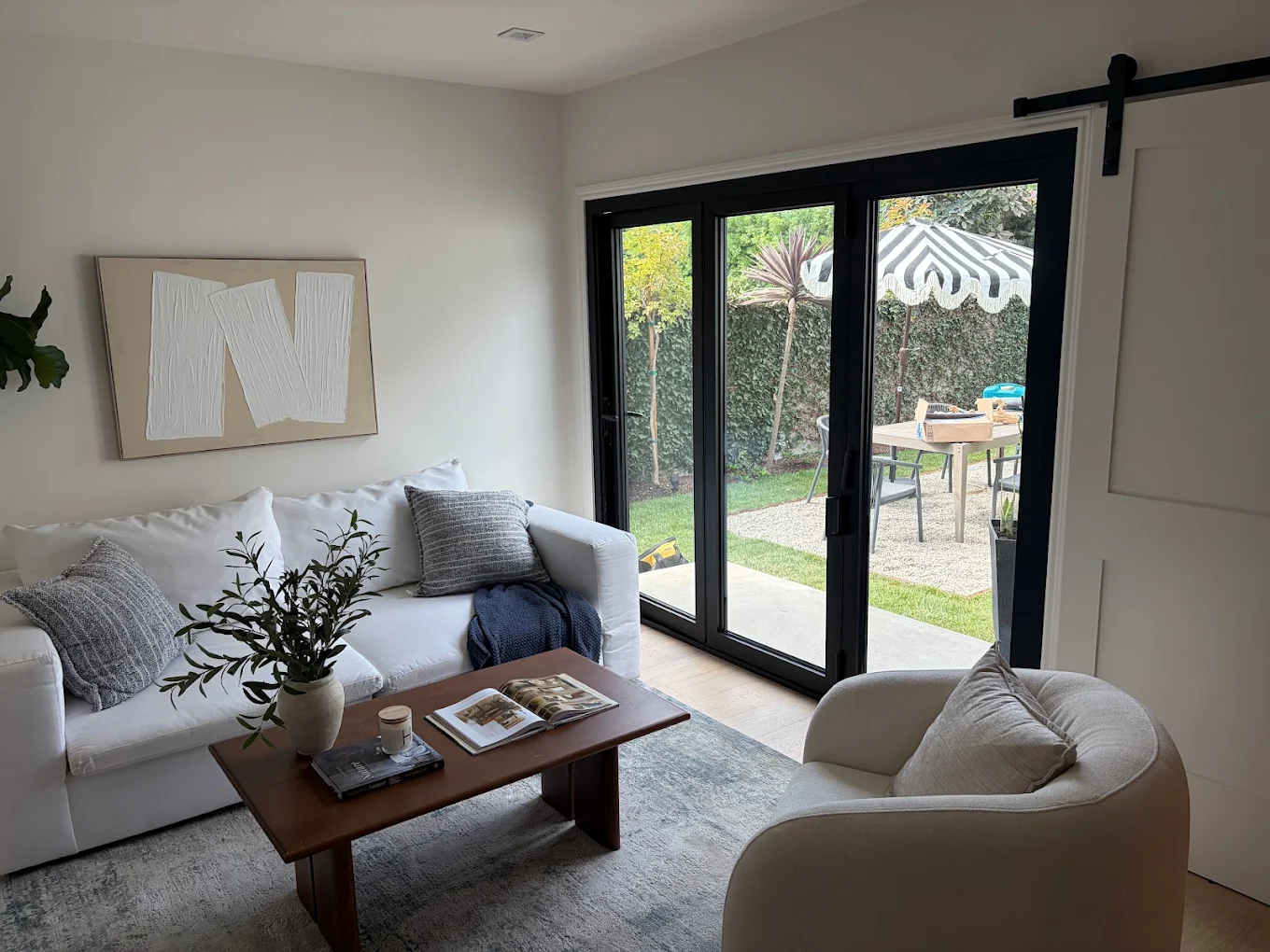
Salt Lake City Window Film Pricing From Your Notes
Start with the quote form: approximate dimensions and a note on the problem rooms or floors. Tell us which way the glass faces and what time of day or year it is worst. We reply with film options and a price range.
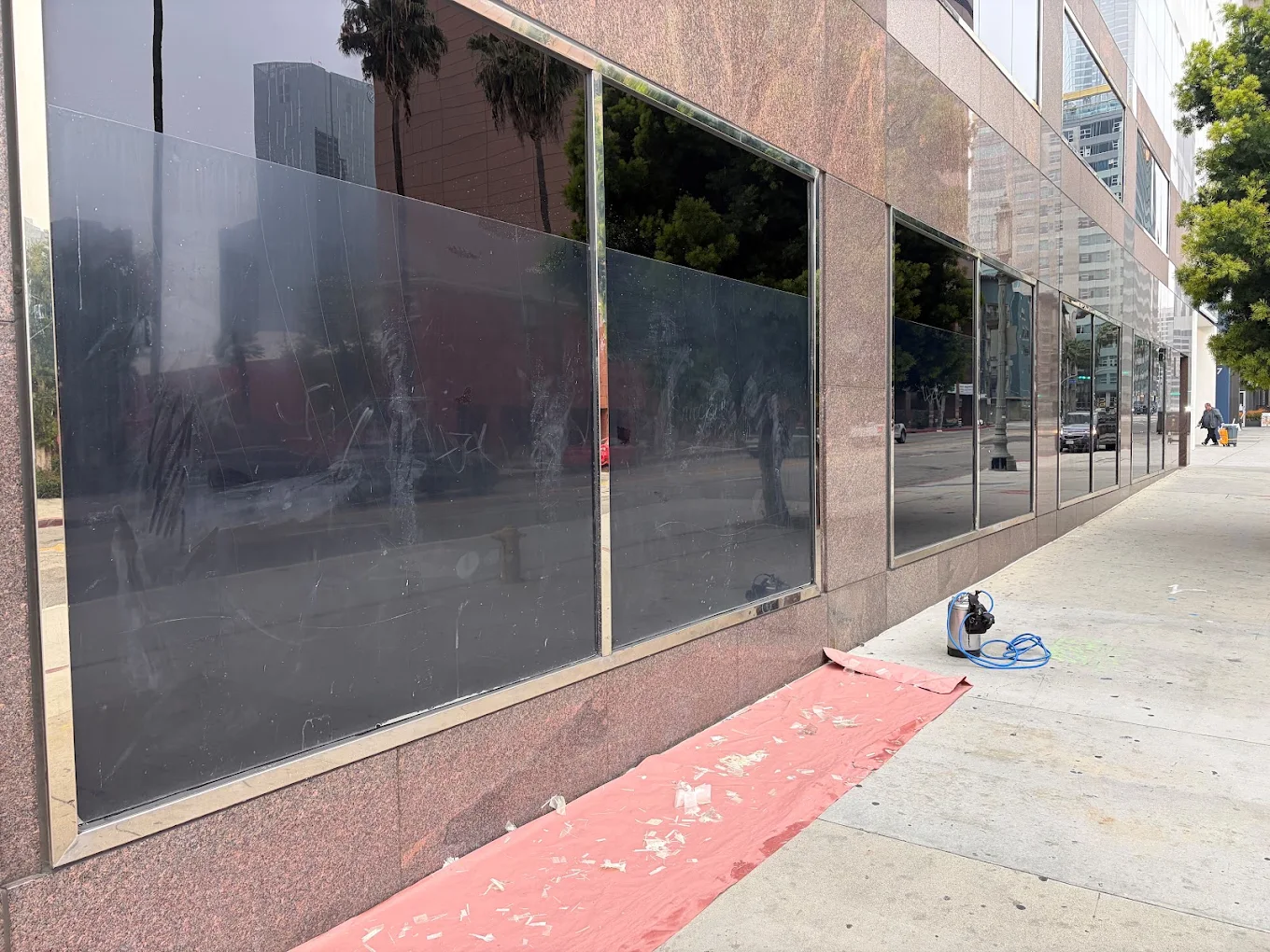
Window Glass Check and Film Samples On Site
Bigger projects get a site visit. We read the glass makeup, test for a factory low-e coat, note any fogged seals and stick sample squares to the actual windows. Seeing film in Wasatch Front light on your own windows is the surest way to choose.
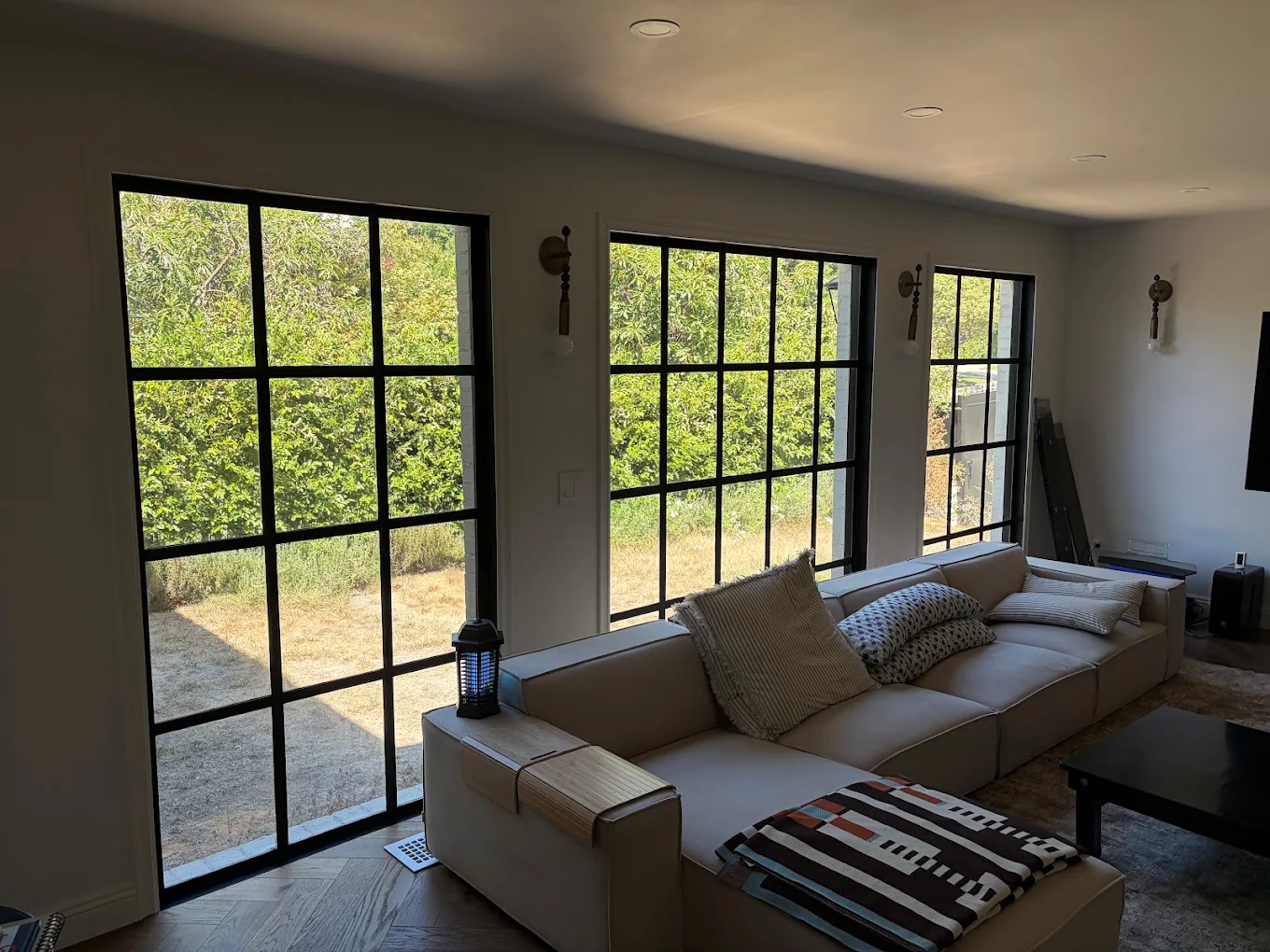
Window Tinting Install Day in the Salt Lake Valley
Drop cloths go down, every pane is scraped clean, and film is trimmed to the gasket and pressed flat. A typical house is finished before dinner. Commercial projects run in phases, often after hours, so offices and shops stay open.
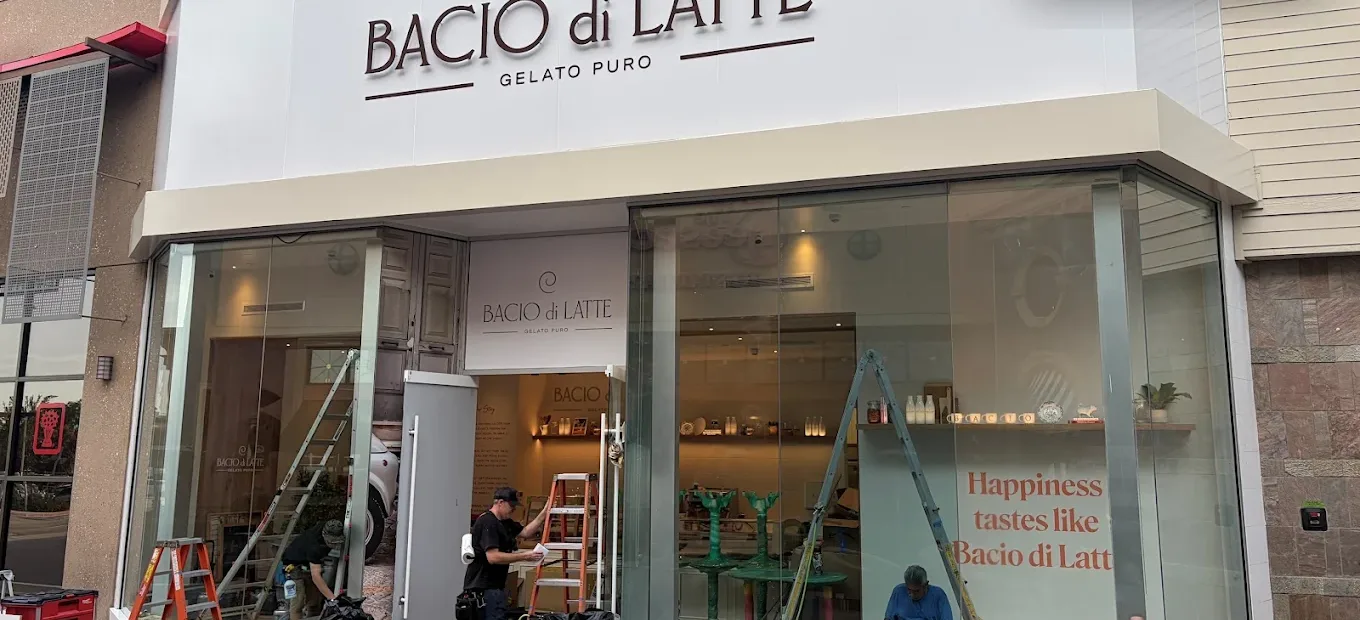
Window Film Curing in Dry Utah Air
Low humidity helps film dry, but cold glass slows it down, so a January install takes longer to clear than a July one. Small haze or water pockets are normal for a while. Leave the glass alone until it has fully cured.
Commercial Window Film From Downtown Towers to Silicon Slopes
Most of our work is commercial. Downtown, the office towers along Main Street and State Street and the blocks around City Creek Center face each other across streets that are unusually wide, which means facades get more direct sun than they would in a tighter downtown. By early afternoon the south and west perimeter offices are the warm ones, and tenants on the east side squint into morning glare. Down the I-15 corridor, the Silicon Slopes campuses in Lehi and Draper are glass-heavy buildings set in open lots with nothing to shade them.
Retail and service buildings make up the rest. Shops on Highland Drive in Sugar House, restaurants on Main Street, medical offices around the University of Utah and Intermountain Medical Center in Murray, hotels near the Salt Palace, schools and public buildings all deal with some mix of fading, heat, glare, privacy and broken glass. Distribution buildings on the west side near the airport usually need film only on their office fronts and lobby glass, but those fronts tend to face the full afternoon sun.
For multi-tenant buildings we work through property management. That means sending product data and a sample for the owner to approve, booking the freight elevator, working nights or weekends, and keeping one consistent exterior look across every floor so the building never ends up with a patchwork facade.
Salt Lake City Benchmarking Rules and Rocky Mountain Power Bills
Under a city ordinance, Salt Lake City's bigger commercial buildings have to track annual energy consumption and submit the numbers to the city. Owners who see their scores in that process often start looking at the building envelope, and glass is the part of the envelope that is easiest to improve without a renovation. Window film will not make a building compliant on its own, and we do not pitch it that way, but reduced solar gain in summer and less heat loss through old glass in winter both show up in the utility data.
Rocky Mountain Power supplies electricity to most of the valley, including Salt Lake City, Sandy, Draper and Park City. A few cities, such as Murray and Bountiful, run their own municipal power departments. Whoever sends the bill, summer cooling is where solar film earns its keep, because the afternoon peak on west glass lines up with the hours when air conditioning works hardest. In winter, low-e film works with your gas furnace instead of your electric meter.
Earthquakes, Windstorms and Security Window Film in Utah
The Wasatch Fault runs along the east side of the valley, and the magnitude 5.7 Magna earthquake in March 2020 reminded a lot of people how much glass sits in their homes and offices. Downslope wind events have also broken windows and dropped trees across Davis County and the east bench. Security and safety film bonds broken glass together, so a cracked pane is more likely to stay in the frame and less likely to spray shards into a room.
We describe it plainly: film does not make glass earthquake-proof or wind-rated, and it is not a structural retrofit. What it does is reduce the hazard when glass breaks, and slow down anyone trying to get through a ground-floor window or storefront. For commercial panes, a perimeter attachment (a bead or mechanical strip tying the film to the mullion) holds the sheet in the opening more firmly.
Salt Lake City service areas
Window Film Service Areas Along the Wasatch Front
Within city limits we work from the downtown towers to the warehouse blocks of the Granary District, up the hill to Marmalade, Capitol Hill, the Avenues and Federal Heights, along the East Bench, and south to Sugar House and Liberty Wells. Valley suburbs run from Millcreek and Holladay through Murray, Cottonwood Heights and Sandy to Draper, then west to West Jordan and South Jordan, with Lehi across the county line. Bountiful covers the Davis County side, and Park City sits over the summit of Parleys Canyon. Each area page covers its own buildings and exposure.
Salt Lake City Window Tinting FAQ
How is window film priced for a Salt Lake City project?
Four things move the number: the product, the square footage, how many separate lites there are, and access (ladders, lifts, furniture). Twenty small lites in a Sugar House bungalow eat more labor per foot than four big office panes. With sizes and a lite count in hand, we can quote it accurately.
Does window film help during Salt Lake City winters?
Low-e film does. Its coating returns radiant warmth to the room, which helps through cold snaps and inversion weeks when older glass feels drafty. Standard solar film helps mostly with glare in winter, especially the bright light that bounces off snow.
Will window film stop an earthquake from breaking my windows?
No. Glass can still crack in a strong quake. Security film holds the broken pieces together so they are less likely to fall out or scatter, which lowers the injury risk. It is a glass-retention product, not a seismic retrofit.
Will film crack my dual-pane windows on cold sunny mornings?
A bad film and glass pairing can. Cold mornings followed by strong sun put stress on insulated units, and dark absorbing films add to it. Matching the product to your glazing against the manufacturer's charts is the first step of every quote.
Will window tinting make my house feel dark?
It depends on the product. Spectrally selective film is nearly clear and still turns back much of the infrared. Darker or mirrored film blocks more heat and noticeably dims the room. Samples of each on your own glass make the choice easy.
Do historic districts or HOAs in the Salt Lake area restrict window film?
Some do. Salt Lake City reviews exterior changes in its local historic districts, and many newer communities such as Daybreak have design rules. Interior film that looks like plain glass rarely raises concern, but mirrored film can. Check with the city or HOA first, and we can supply specs for the review.
How long does window film last on a Salt Lake City building?
Interior film on homes and offices usually lasts many years, often well over a decade, and the film maker's warranty sets the exact term. Exterior film faces sun, snow and freeze cycles directly and wears out sooner. Microfiber and an ammonia-free spray keep any film looking right for years.
Window film quote
Request a Window Film Quote in Salt Lake City
Put approximate sizes and the trouble spots into the quote form. Our reply comes with recommended films and a price, and if floor plans or HOA guidelines matter, we ask for them then.