
Insulating window film, Utah
Low-E Window Film in Salt Lake City
When an inversion settles over the valley, Salt Lake can sit below freezing under a gray lid for a week or more. Buildings with old glass bleed heat the whole time. Low-E film puts a heat-reflecting layer on that glass without replacing it.
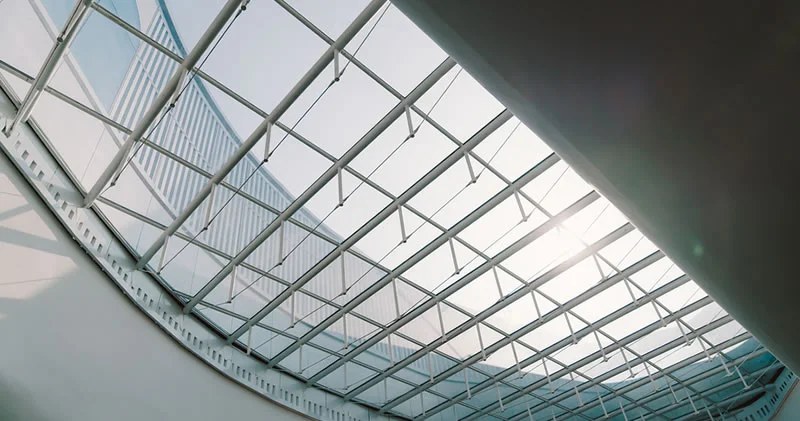 Salt Lake City
Inversion Weeks and Heat Loss Through Salt Lake Glass
Inversions are a valley thing. Cold, dense air pools on the floor of the basin between the Wasatch and the Oquirrhs, warmer air caps it, and the cold stays put. Sunshine that might warm the city on a normal winter day never breaks through the haze. Heating systems run close to nonstop, and they keep running at night.
Glass is where much of that heat escapes. Single-pane windows and insulated units from the 1970s and 1980s without a factory low-E coating let radiant warmth pass straight out. Anyone sitting near those windows feels the chill on their skin even when the air thermostat reads normal, because the cold glass is drawing heat from their body. Facility managers hear about it as space heaters under desks and requests to turn up the heat.
What Low-E Window Film Does to a Pane of Glass
Emissivity describes how readily a surface gives off heat. Bare glass is high. Low-E film covers the room side of the glass with a very thin metal-based layer that has low emissivity, so the warmth coming off people, furniture, radiators and ducts is mostly bounced back into the space instead of being absorbed and shed outdoors. The window behaves noticeably better in cold weather.
Most low-E films also turn away some incoming solar heat. That second job matters along the Wasatch Front, where the same window that leaks heat in January overheats a room in July. The tradeoff is visible light and appearance. Some products are close to clear, others slightly darker or more reflective, so we show samples on the actual glass.
Low-E Film for Downtown and Historic Commercial Buildings
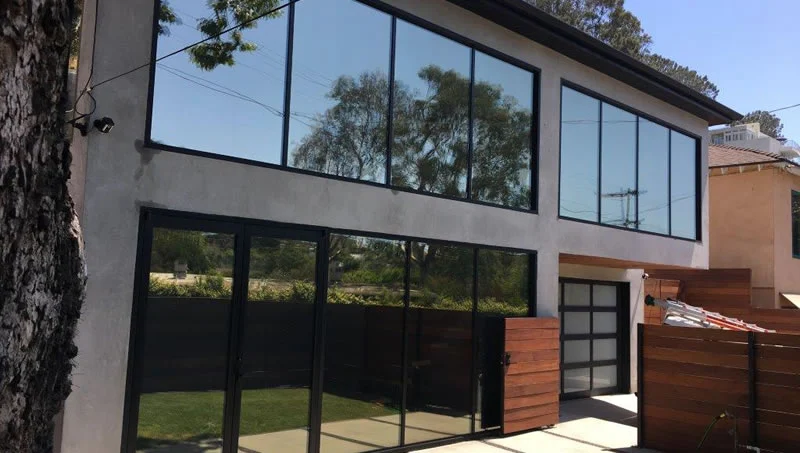
Downtown Salt Lake keeps a lot of older commercial stock: early twentieth-century buildings in the Exchange Place historic district, masonry blocks along Main Street, and mid-century office buildings scattered through the core. Many still have original single-pane sashes or first-generation insulated glass. Full window replacement is expensive, disruptive to tenants, and in historic buildings may require design review and a match to original profiles.
Applied to the room side of the panes already there, the film leaves profiles and street appearance untouched and goes in suite by suite overnight. For owners reporting under Salt Lake City's benchmarking ordinance, reduced heating and cooling consumption flows directly into the numbers they submit.
- Historic masonry buildings with original sashes
- Mid-century office blocks with single glazing
- School classrooms with older window walls
- Older apartment and condo buildings
- Homes in Salt Lake City historic districts
Low-E Film in Park City and Higher Elevations
Climb Parleys Canyon to Park City and the heating season gets longer and harder. Mountain homes and resort condos often feature walls of glass facing the ski runs, which look spectacular and lose heat quickly on cold nights. Low-E film reduces that loss and also tames the glare and UV that bounce off snow for months.
Large insulated units at altitude see wide temperature swings between frigid mornings and strong sun, so the glass compatibility check is not optional. We confirm the existing glazing and choose a film approved for it.
Where Low-E Film Is and Is Not Worth It
The biggest gains come on single-pane glass and older insulated units with no factory coating. Newer dual-pane low-E windows already have a coating inside the unit, and adding film on top yields far less, so we usually skip them or treat only the worst-performing elevation. We will tell you which windows are worth doing.
Low-E Window Film Benefits for Salt Lake Buildings
Low-E Film Holds Heat Through Inversions
The film's coating sends radiant warmth back into the room, so less heat leaks out through glass during cold snaps and long inversion stretches. Boilers and furnaces get a little relief.
Low-E Film Takes the Chill Off Window Seats
Glass that radiates less cold makes desks, classroom seats and couches near the windows comfortable again. Space heaters under desks become less common.
Two-Season Window Film for Utah Weather
Because most low-E films also reject some solar heat, the identical sheet earns its keep at both ends of the calendar. One install works for both ends of the Salt Lake climate.
Low-E Upgrade That Keeps Original Windows
Film improves the glass already in the frame at a small share of replacement cost. Historic sashes and profiles stay intact, and tenants are not displaced for construction.
Salt Lake City Low-E Film: Questions Owners Ask
Which windows benefit most from low-E film?
Single-pane glass and older insulated units without a factory coating. Rooms that feel cold beside the glass in winter are the clearest candidates.
My windows are from 2010. Do they need low-E film?
Usually not much. Most newer units already have a low-E coating sealed inside. We check the glass with a coating detector before recommending film.
Is low-E film noticeable from the street?
Some products are almost clear, while others are a bit darker or more reflective. Samples on your own glass make the difference easy to see.
Does low-E film help with inversion air quality?
No. It has no effect on outdoor air. It helps keep buildings warm during the cold, stagnant weather that comes with inversions.
Window film quote
Find Out If Low-E Film Fits Your Salt Lake City Building
On the quote form, describe the glass (single-pane, older dual-pane or unsure), the rooms that feel coldest, and rough window sizes. We will say plainly whether low-E film is worth it.